














































































































.webp)




















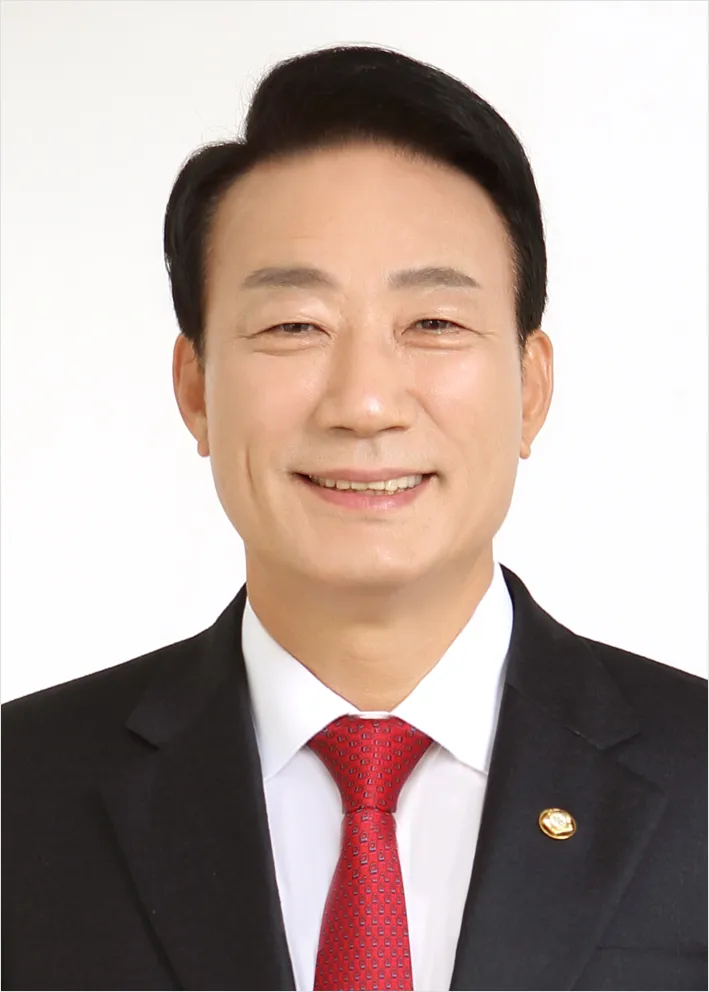













































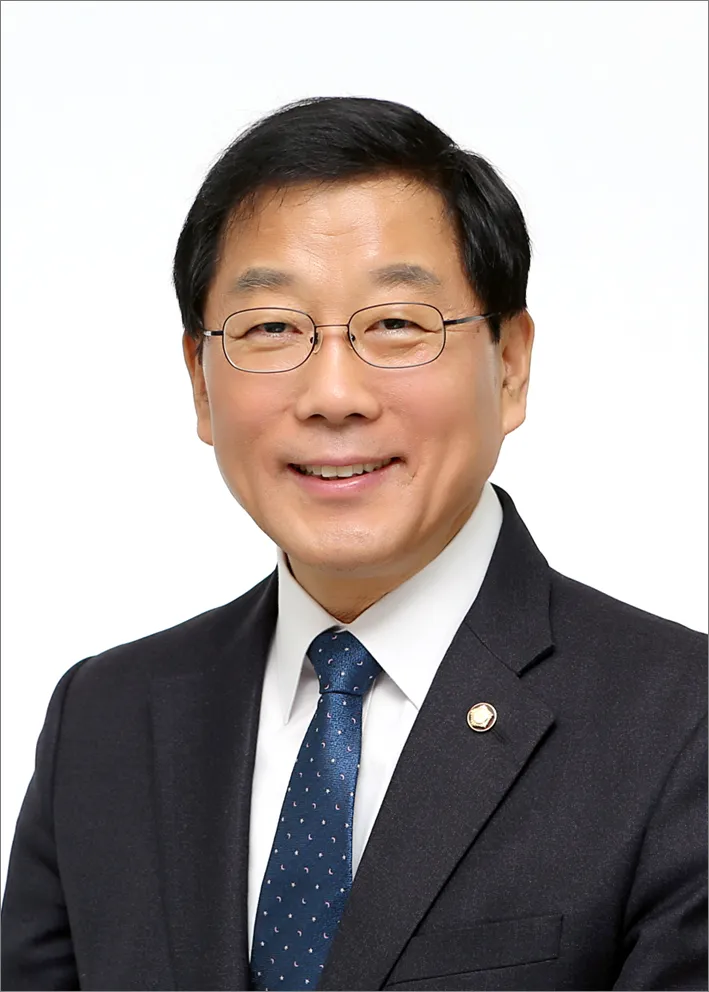
































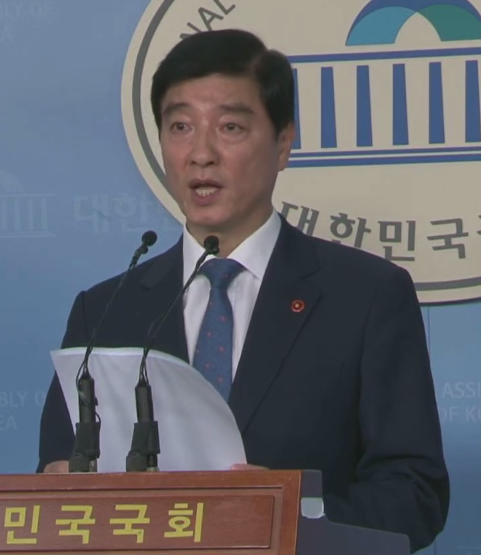


















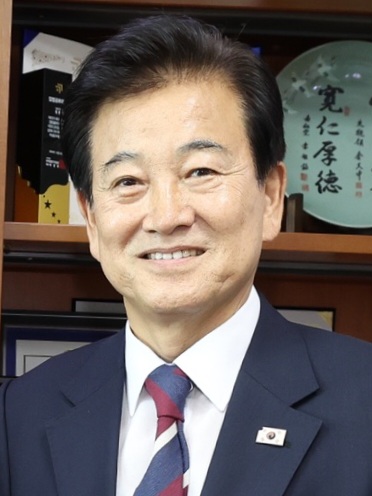







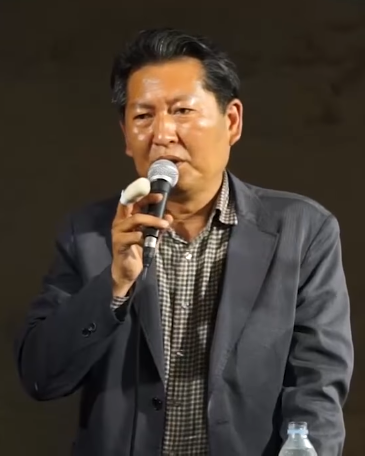
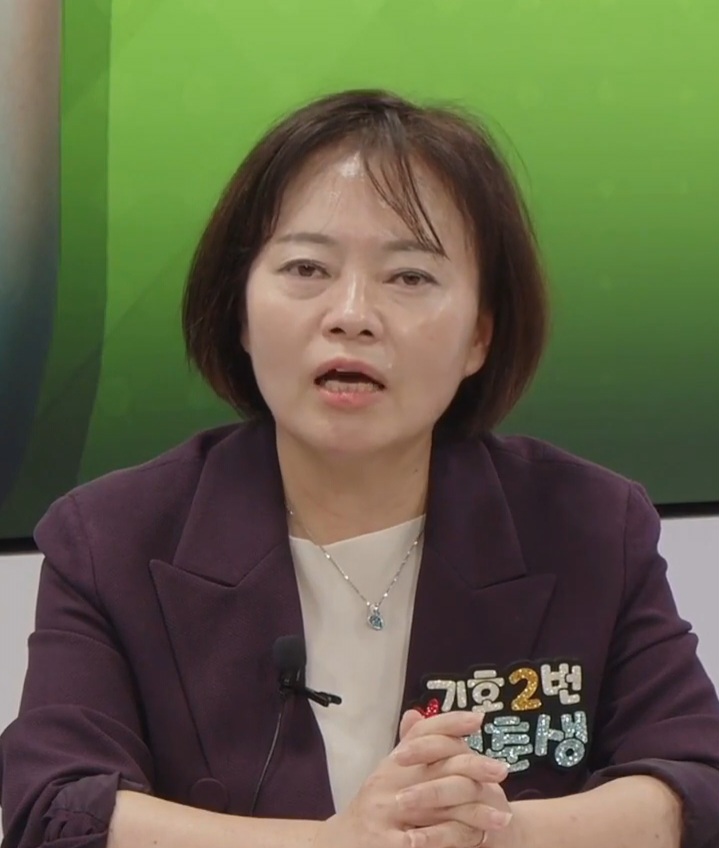












































History of the National Assembly of the Republic of Korea and the Authority of the 22nd National Assembly Members
The National Assembly of South Korea is the only legislative body in South Korea and a unicameral parliament composed of National Assembly Members who represent the sovereignty of the people. Since the inauguration of the Constitutional National Assembly in 1948, the National Assembly of the Republic of Korea has played a pivotal role in the development of democracy, establishing the national foundation, and at the center of the struggle for democratization against dictatorship. According to Article 40 of the Constitution of the Republic of Korea, legislative power belongs to the National Assembly, and the currently active 22nd National Assembly consists of a total of 300 National Assembly Members.
Among these, 254 National Assembly Members are elected through a single-member district system in constituencies across the country and directly represent the voices of local residents, while the remaining 46 National Assembly Members are elected through a semi-linked and parallel proportional representation system based on party vote percentages to reflect various functions and interests of minorities in national affairs. The term of office of National Assembly Members is four years, and according to the Constitution of the Republic of Korea, they are guaranteed the privilege of non-arrest (unless they are red-handed criminals, they cannot be arrested without the consent of the National Assembly during a session) and the privilege of immunity (they are not responsible outside the National Assembly for comments and votes made in the course of their duties in the National Assembly), allowing them to perform their duties independently without being swayed by external pressure.
The National Assembly of the Republic of Korea is responsible for the country's most important decisions, including proposing and voting on constitutional amendments, enacting and amending laws, deliberating and finalizing national budget plans, and agreeing to ratification of treaties. In particular, the 'state administration audit' conducted every year to keep the executive branch in check, the 'state affairs investigation' that investigates specific issues, and the right to impeach high-ranking public officials are the core powers of the National Assembly. This archive aims to promote the public's right to know and increase the transparency of legislative activities by providing the political party affiliation, number of times elected, constituency, standing committee activities, and detailed legislative history of all 300 National Assembly Members of the 22nd National Assembly.
